Injection mould toolroom, high-volume medical devices. A changeover fix that cut core pin failures by over 70%, plus a downtime dashboard and a purchase-approval system that were both commended by the plant director.
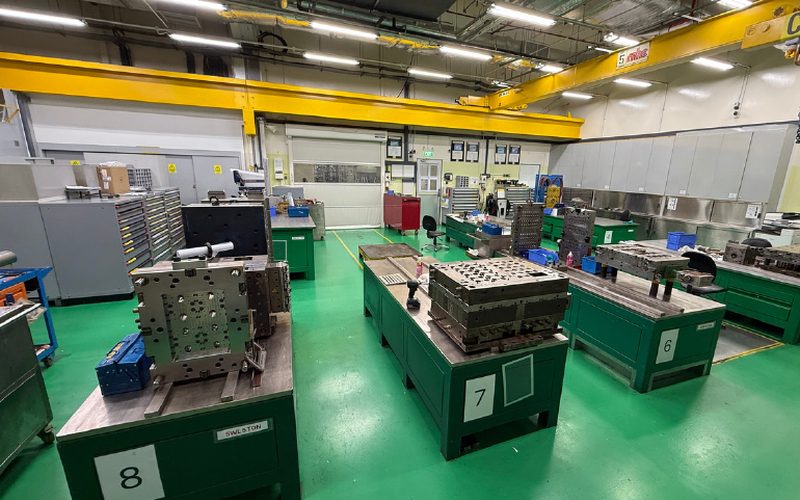
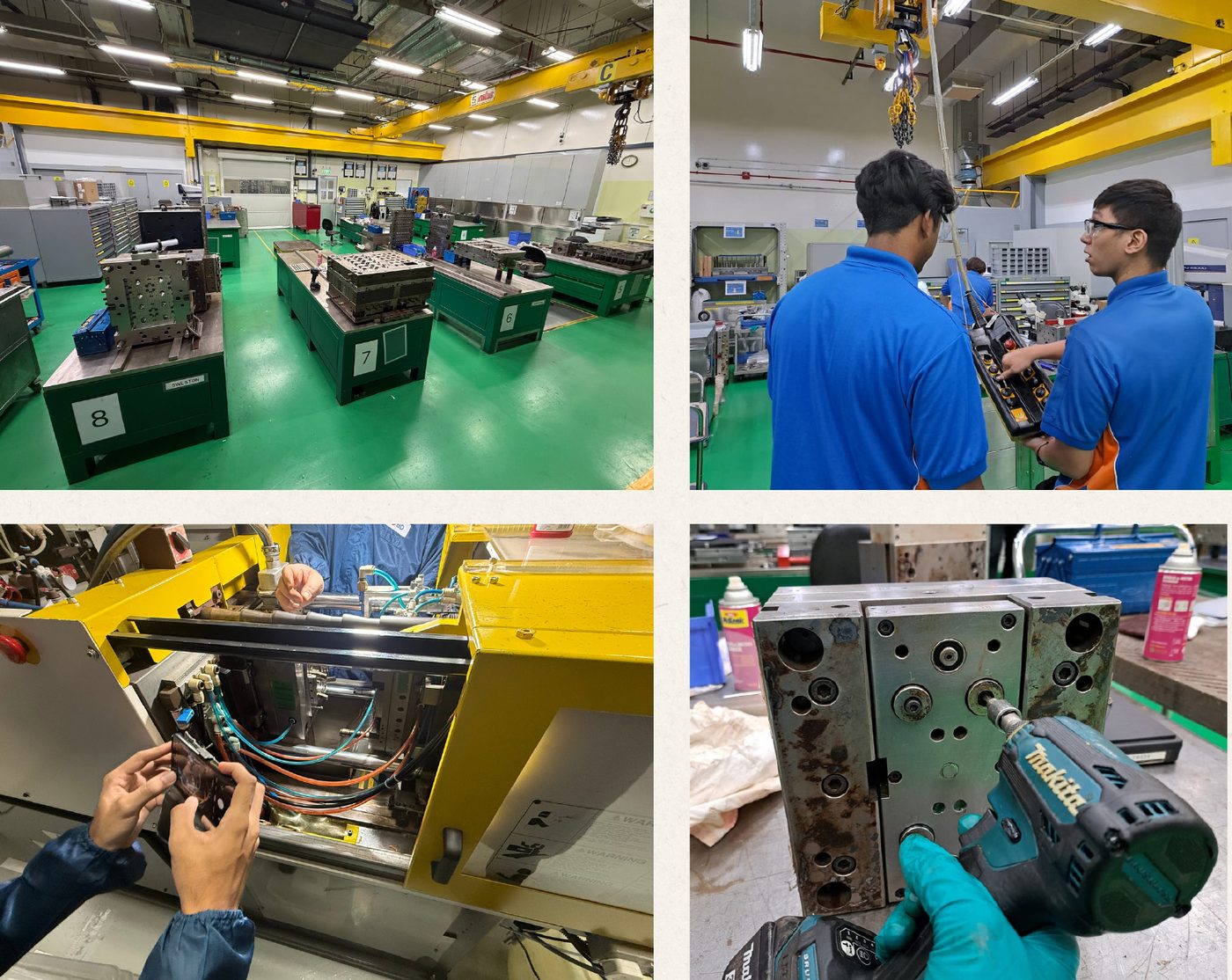
The injection mould toolroom at BD Tuas: mould benches and tooling.
>70%Fewer carbide core pin failures
>60%Of mould repair time was travel and waiting
3–5 days → <1Purchase approvals, BUYSMART automated
800+Repair records analysed in Power BI
RoleEngineering intern
WhereBD, Tuas, Singapore
PeriodMay – Aug 2025
AreaMould toolroom
Ten weeks in the injection mould toolroom at BD's Tuas plant, which makes high-volume medical devices including BD Eclipse needles. The photos and figures are from my internship review.
Core pin failures
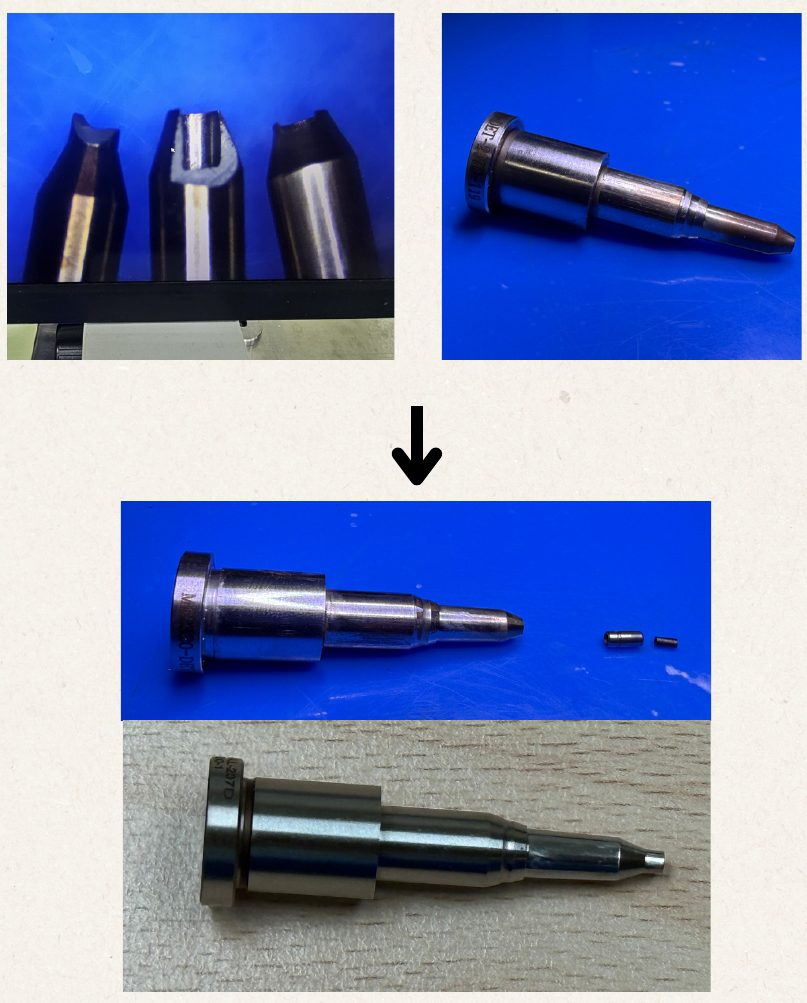
The leading cause of unplanned downtime on one mould was tungsten carbide core pins cracking. Each change was done in the press and included a heating step, and the repeated heating cracked the brittle carbide. SolidWorks thermal and stress simulation and floor testing supported this.
I changed the procedure so a pre-assembled core pin is prepared offline and swapped in as a unit. The carbide is no longer heated in the press. Failures dropped by over 70%, measured before and after.
Fig 1Core pin changeover, before and after.Fig 2Core pin parts from the study. The new procedure swaps a complete, pre-assembled pin (bottom) instead of re-seating the carbide in the press.
Out-of-spec slider insert
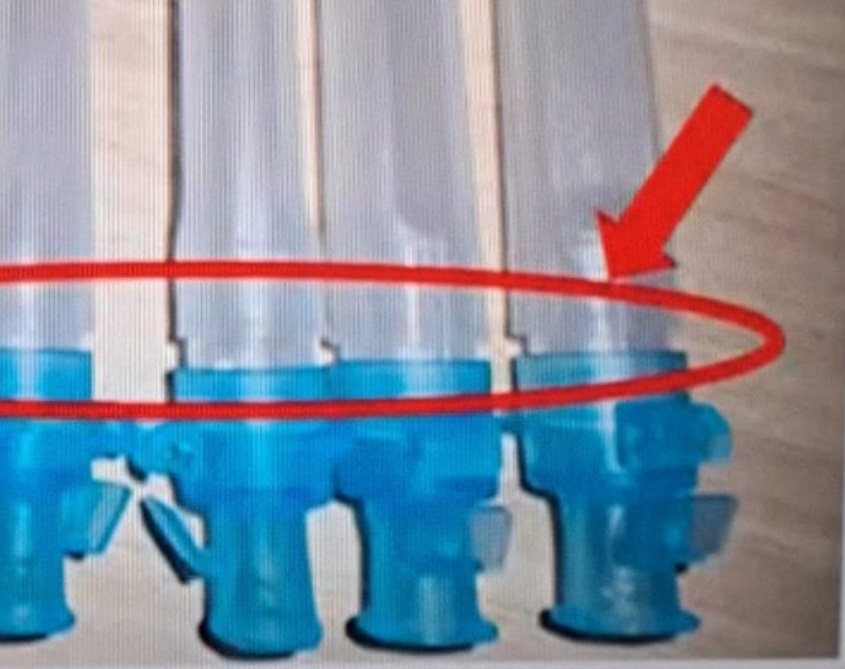
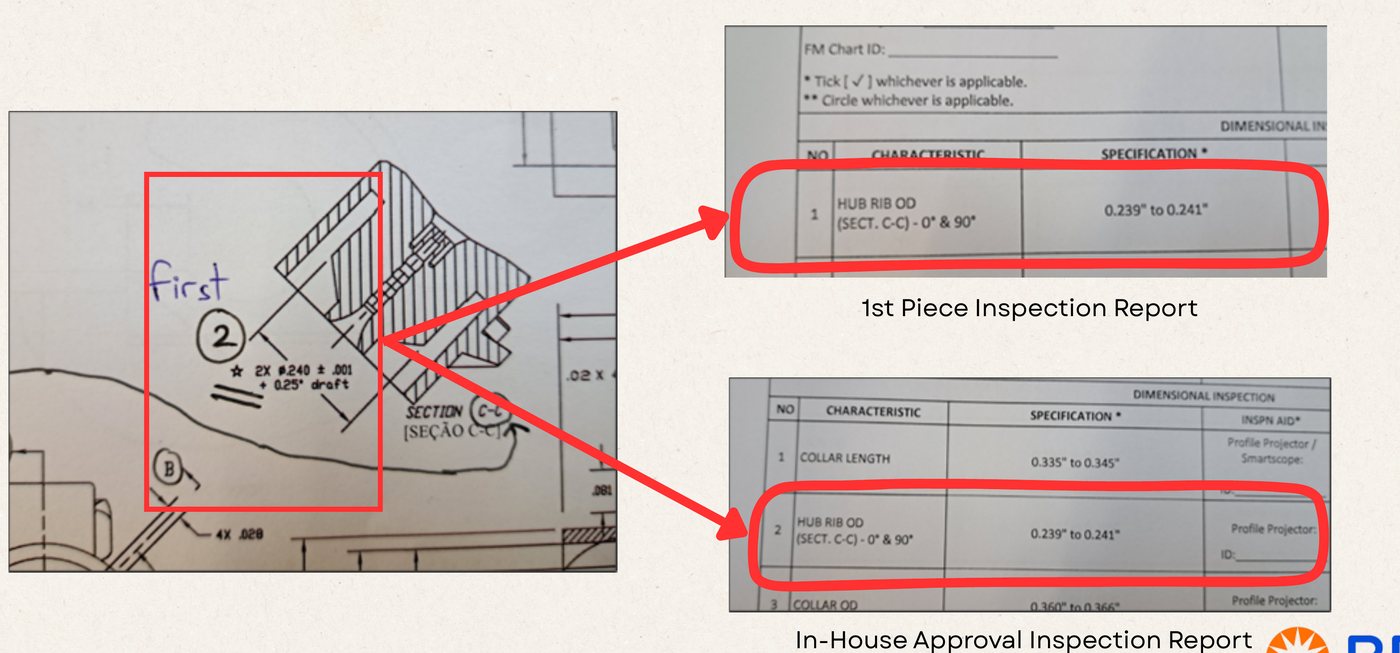
A needle cover stopped seating on its hub and halted a BD Eclipse line. I ruled out the rib inserts by benchmarking against a known-good mould, then measured the slider inserts against the drawing and found one 0.3 mm out of specification. It was reworked during a full preventive-maintenance teardown and the line came back in spec.
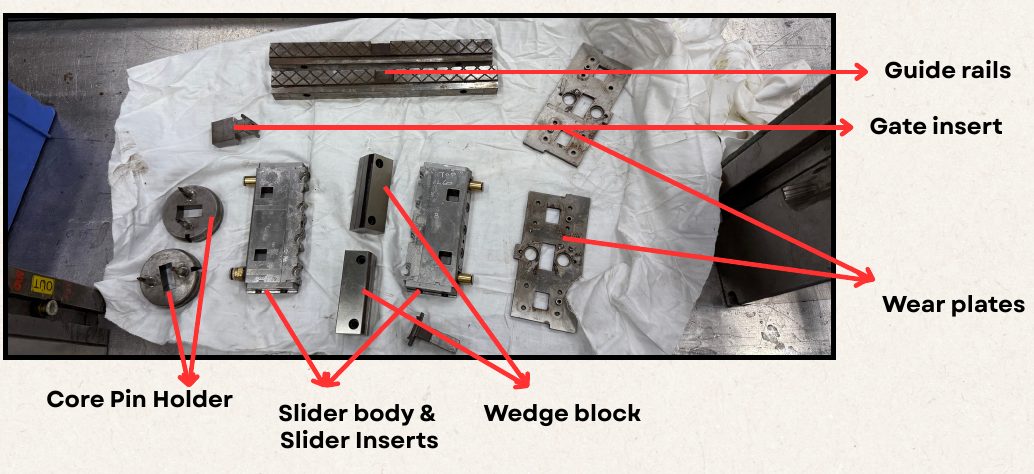
Fig 3The symptom: needle covers not seating fully on the hub (circled).Fig 4The slider inserts, measured against the drawing. One was 0.3 mm out.
Fig 5Tracing the hub dimension from the mould drawing to the first-piece and in-house inspection reports.
Toolroom work
Preventive maintenance. Full PM on precision moulds: core and cavity disassembly, cleaning and inspection of ejector plates, wear plates, sliders and core inserts, blue-matching, water testing, datum matching before final tightening, and reassembly to specification.
Changeovers. Gauge changeovers, for example 18G to 27G, run independently in the toolroom and on the press, including replacing carbides and epoxy pins.
Rework. Precision rework of mould inserts on lathes and grinders, checked against drawings.
Drawings and inspection. Read mould engineering drawings, prepared first-piece and in-house approval inspection reports, classified moulding defects (flash, short shots, voids, burn marks), and worked inside the plant's documentation system: SOPs, cavity charts, SAP and Moldtrax.
Safety kaizens
Heavy-equipment trolley. Improved the Nexiva trolley's stability against tipping by moving its centre of gravity and redistributing the load.
Mould manifold. Strengthened the electrical safety features on a high-power mould manifold and its heaters.
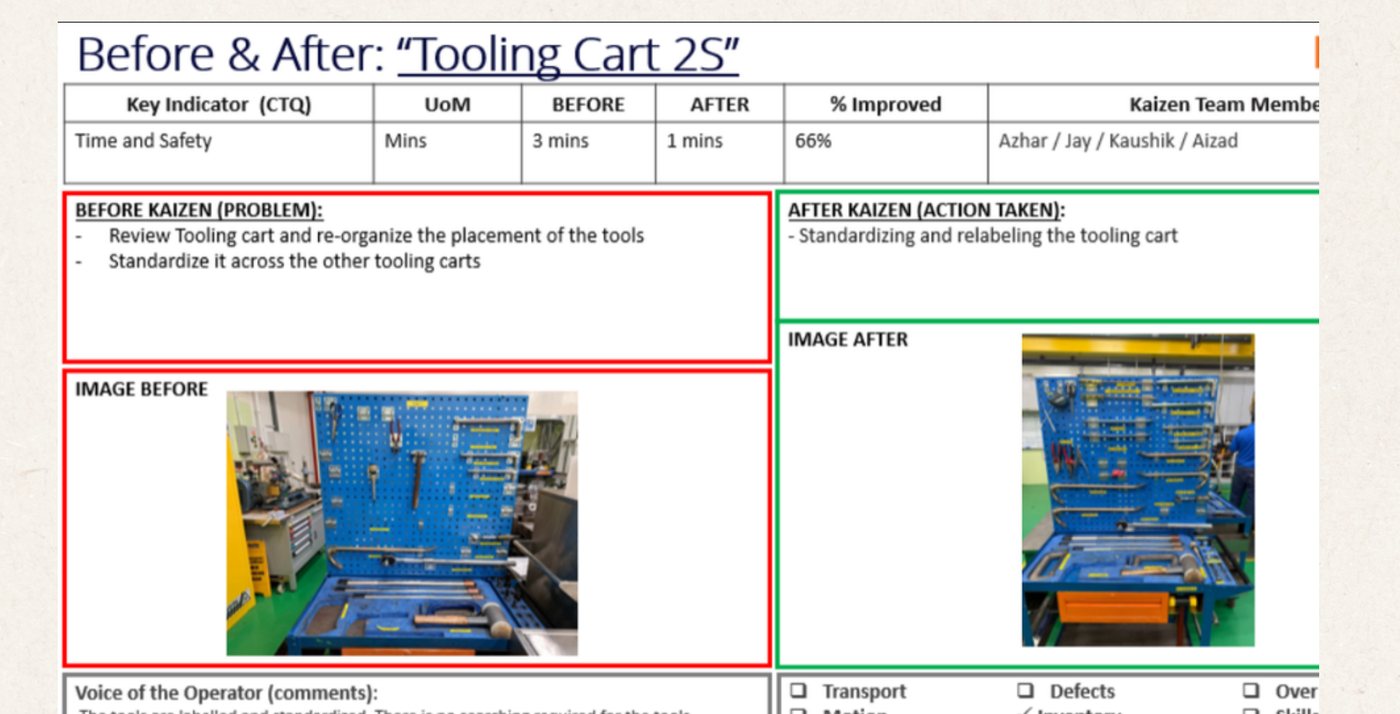
5S. Standardised the toolroom's tooling carts with labels and shadow boards.
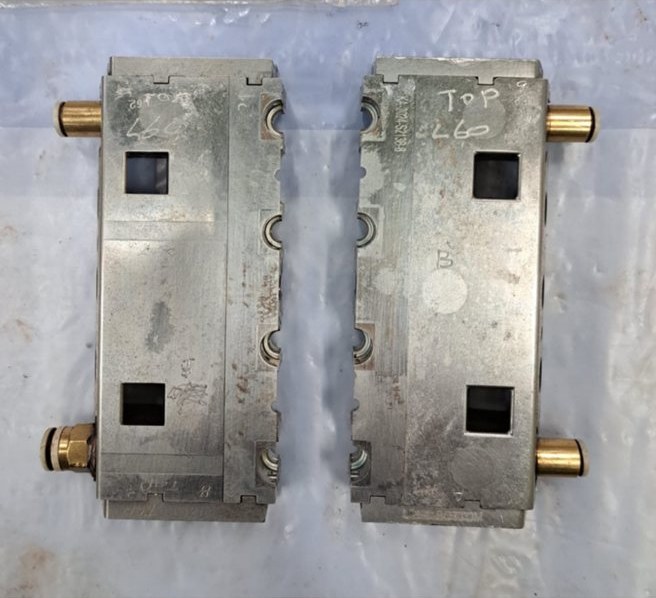
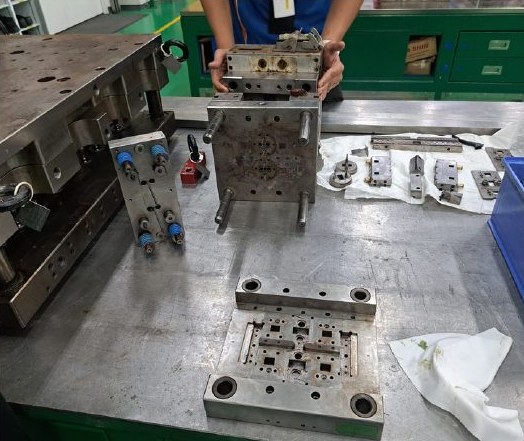
Fig 6The toolroom: mould benches, press-side work and disassembly.Fig 7A mould mid-teardown during preventive maintenance: core and cavity halves separated, slider parts laid out behind.Fig 8Components removed and labelled for inspection: guide rails, gate insert, wear plates, core pin holders, slider bodies and inserts, wedge blocks.Fig 9Tooling cart, before and after.
Mould-tracking dashboard
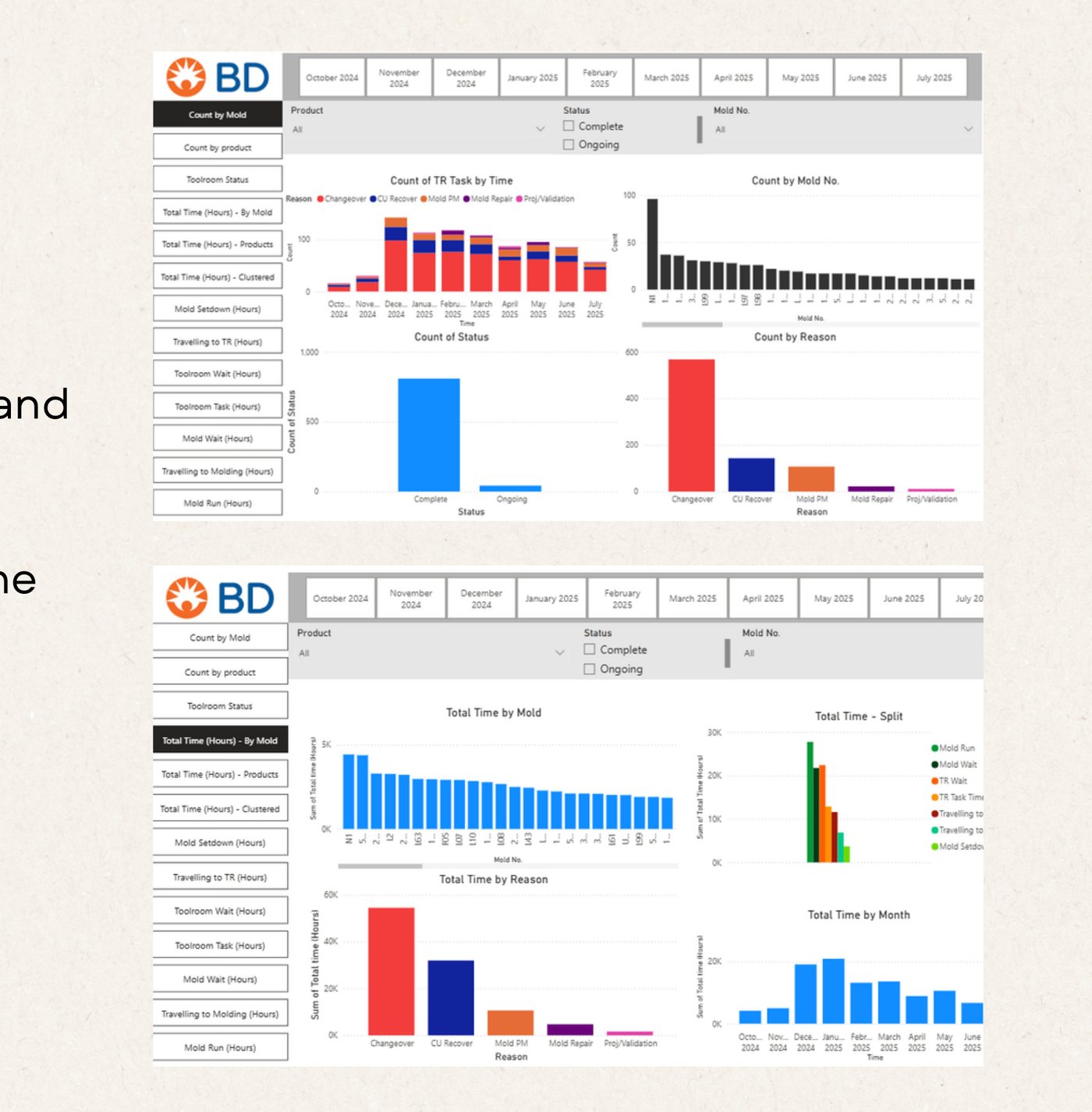
Downtime was assumed to be repair time, but it had not been measured. I took months of raw duration data from the repair log, over 800 records, cleaned it, and built a Power BI mould-tracking dashboard with drill-down by mould, task type and month, following a DMAIC approach: define and measure, then analyse and visualise.
Over 60% of a mould's repair cycle was travel and waiting between departments, not hands-on engineering work. This moved the plant's improvement effort toward logistics, communication and scheduling.
The dashboard shows the total downtime trend since October 2024; which process step contributes most; the changeover downtime trend over six months; which moulds had the highest downtime in a given month; and the top three products sent for recovery. Once repair steps were visible, data logging and step discipline improved. It fed three of my closing recommendations: on-floor dashboards in the toolroom and moulding areas showing live mould status and upcoming PMs, a data-integrity push now that the process is measured, and in-house CNC capability to cut vendor lead times.
Fig 10The Power BI mould-tracking dashboard: repair time by mould, by reason and by month, with drill-down filters.
BUYSMART: the purchase-request system
Purchase requests ran on a manual process with an unclear approval chain, missing information and no way to track status, so requests got lost. I designed, built and validated an automated workflow on the Microsoft Power Platform: a Microsoft Forms front end that cannot submit an incomplete request, Power Automate routing and approval logic, Excel as the record, and a live SharePoint list that gives everyone real-time visibility of every request's status.
Approval time from 3–5 days to under one. Approved by management for full deployment.
Jidoka. The form validates before it submits, so bad requests never enter the queue.
Visual management. The SharePoint list is the single status board, so nothing is lost and accountability is clear.
Testing. End-to-end testing before launch, which caught early logic bugs.
Phase 2, recommended. SAP integration for real-time inventory checks, and a Power BI dashboard for budget tracking.
Changeover business case
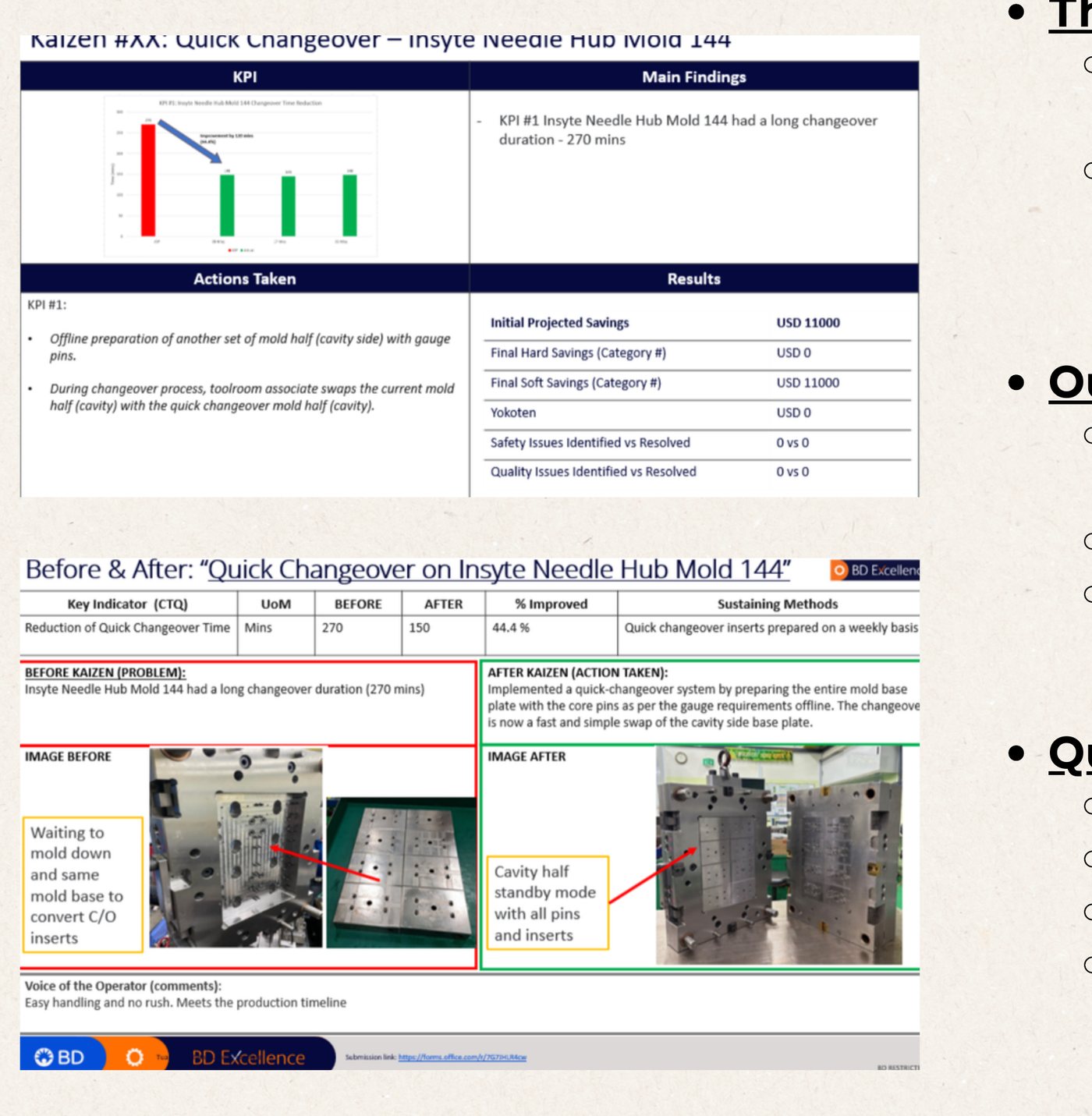
The toolroom proposed a quick-changeover system for one mould: prepare a second base plate offline, stop the press, swap whole plates. I analysed it and built the business case for management: 4.5 h to 2.5 h per changeover, 2 h saved each time, 44% less downtime, about 96 production hours a year and roughly USD 11,000 in annual soft savings. I did the analysis and presentation; the design was the toolroom's.
Fig 11The quick-changeover business case: 270 to 150 minutes on one mould.